Introduction
Short links have long been a familiar part of the internet: they show up in social media posts, email campaigns, ad campaigns, and printed materials. But like any tool, URL shorteners come with both strengths and limitations that are worth understanding before you build them into your marketing or communication strategy. In this article, we'll take an honest look at what short links offer businesses and users — and what risks and drawbacks are worth keeping in mind.
The Advantages of Short Links
1. Compactness and Convenience
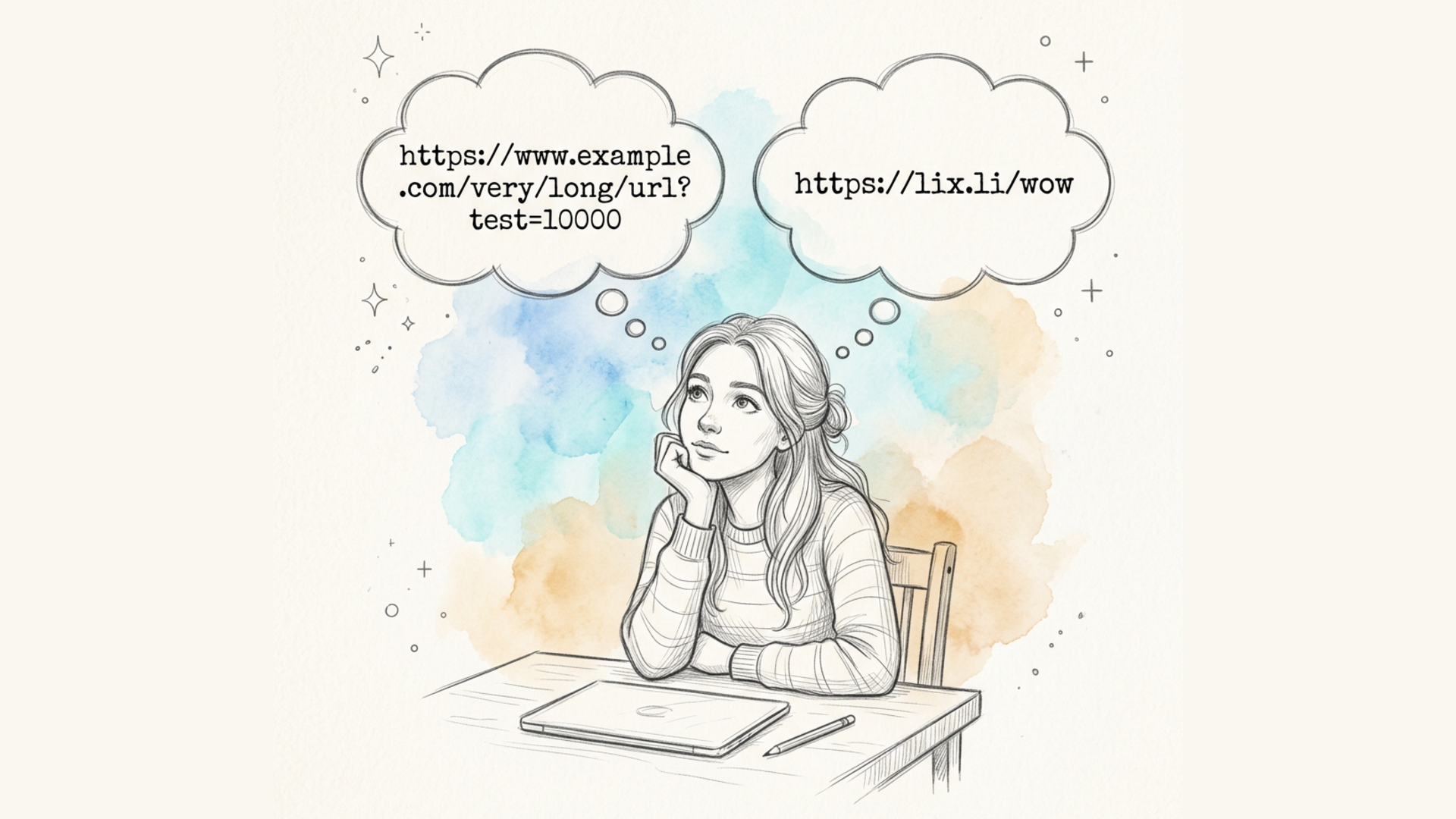
The most obvious benefit is that a short link takes up less space. This matters most anywhere character count is limited: social media posts, SMS campaigns, printed materials like business cards or banners, where a long URL simply won't fit or will look messy.
2. Detailed Click Analytics
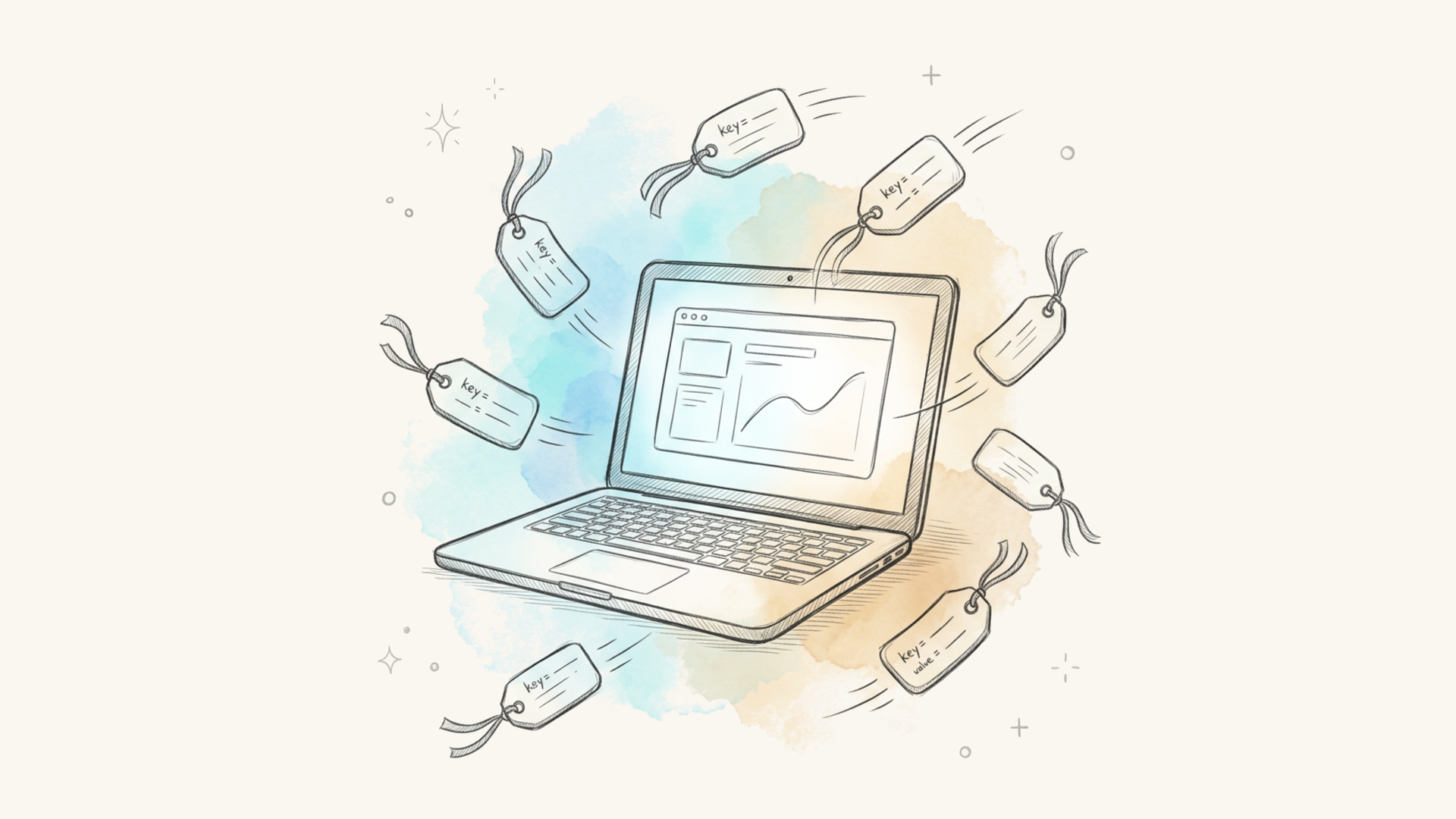
One of the most valuable benefits of shorteners is the ability to track statistics for every link: number of clicks, audience geography, device type, and traffic source. A plain long URL doesn't offer any of this — without a shortener, you'd need to embed complex UTM parameters and set up a separate tracking system. This is especially useful for:
- Measuring the effectiveness of ad campaigns
- A/B testing different promotion channels
- Understanding which audience is clicking, and when, most actively
3. Branding and Recognition
Many services let you use a custom domain or a custom alias — for example, lix.li/summer-sale instead of a random string of characters. This boosts brand recognition, builds more trust with your audience, and makes the link more memorable, which matters especially in verbal or offline communication.
4. Aesthetics and Readability
Long URLs packed with UTM parameters, session IDs, and nested paths look cluttered and off-putting. A short link looks clean and professional, especially in contexts where visual balance matters — email campaigns, presentations, and advertising materials.
5. Built-in QR Codes
Many link shortening services automatically generate a QR code for every short link. This is convenient for offline materials — posters, packaging, business cards — where scanning a QR code replaces manually typing in an address.
6. Link Management and Updates
Some shorteners let you change the destination URL even after the short link has already been published — without needing to reissue any materials. This is useful, for example, when an ad campaign moves to a new landing page, while old printed materials with a QR code or link continue to be used.
The Drawbacks and Risks of Short Links
1. Destination Opacity
The most discussed downside of short links is that users can't see where a link actually leads until they click it. This creates room for abuse: phishing, malware distribution, and deceiving users. This is precisely why many people are wary of short links, especially when they come from unfamiliar senders.
2. Dependency on a Third-Party Service
A short link only works for as long as the service that created it stays operational. If the shortening service shuts down, changes its policies, or runs into technical issues, every link created through it can stop working. This is critical for materials with a long lifespan — printed products, documentation, and archived publications.
3. Added Redirect Latency
Every click on a short link requires an extra step — a request to the shortener's server before the final redirect. While modern services handle this in milliseconds, a poor connection or heavy server load can make this delay noticeable to users.
4. Potential SEO Impact
If short links are used on the website itself (for example, in internal linking) or when building external links, there are nuances worth considering for search optimization. Improperly configured redirects (301 vs. 302), loss of some link "equity" through multiple redirect hops, or placing a large number of shortened links on suspicious domains can negatively affect a site's reputation with search engines.
5. Limited Control and Blocking Risk
Some platforms (messaging apps, social networks, antivirus software) treat short links with suspicion and may block them automatically, especially if the shortener's domain was previously used by other users of the service to send spam. This is a risk that's hard to control if you're using a public shortener rather than your own domain.
6. Loss of Audience Trust
Some users, as a matter of principle, won't click on unfamiliar short links out of fear of scams. This is especially true in finance, banking, and government contexts, where address transparency directly affects the recipient's trust.
How to Minimize the Drawbacks
Most of the risks associated with short links can be reduced with the right approach:
- Use a branded domain instead of a generic shortener domain — this builds trust and lowers the risk of blocking caused by other users' misuse of the same domain.
- Choose a reliable service with a transparent data retention policy and a solid long-term track record.
- Add a description or preview wherever possible, so users understand where a link leads before they click.
- Avoid short links for critical, long-lived materials unless you're confident in the service's stability.
- Configure the correct redirect type (301 or 302) based on the task — permanent content placement versus a temporary campaign.
When Short Links Make Sense — and When They Don't
Short links work well for:
- Social media posts and stories
- Ad campaigns with character limits
- Printed materials and QR codes
- Email campaigns where click analytics matter
- Temporary promotions and marketing campaigns You should be more cautious with them:
- In official communications from banks, government agencies, and similar organizations, where address transparency matters
- In long-term documents and archived materials, unless you're confident in the service's stability
- In a site's internal SEO structure, without first assessing the impact on search optimization
Conclusion
Short links are a convenient, and in many cases indispensable, tool — especially where compactness, analytics, and branding matter. But as with any technology, it's important to understand its limitations: destination opacity, dependency on the service, and potential risks to audience trust. A balanced approach — choosing a reliable service, using a branded domain, and understanding the context — lets you get the most out of short links while minimizing their downsides.