Short links are no longer just a way to make long URLs shorter. Today, they are an essential part of digital marketing, helping businesses measure campaign performance, improve the user experience, and automate traffic management. Companies use short links in email campaigns, social media, messaging apps, offline advertising, mobile applications, and even on product packaging. When used correctly, they do much more than make links look cleaner—they also provide valuable insights into user behavior. In this article, you'll learn how to use short links in marketing and why they have become an important tool for businesses of all sizes.
Why Marketers Use Short Links
Long URLs are often difficult to share. They look cluttered, take up valuable space, and frequently contain technical parameters that can discourage users from clicking. For example:
https://example.com/catalog/category/product?id=15489&utm_source=newsletter&utm_medium=email&utm_campaign=spring-sale
After shortening, the same URL becomes much cleaner:
https://example.link/spring
A shorter link is easier to read, looks more professional, and is much easier to remember. However, appearance is only one of many benefits.
Measure Campaign Performance
One of the biggest advantages of short links is the ability to track user activity. Modern URL shortening platforms can provide insights such as:
- total clicks;
- click timestamps;
- visitor country;
- visitor city;
- device type;
- operating system;
- browser;
- traffic source;
- referrer. This information helps marketers identify which campaigns perform well and which ones need improvement.
Use UTM Parameters
Almost every marketing campaign should use UTM parameters. They make it possible to distinguish traffic coming from different sources, such as:
- email newsletters;
- Telegram;
- Facebook;
- LinkedIn;
- Google Ads;
- Bing Ads;
- banner advertising;
- QR codes. When UTM parameters are combined with a short link, the final URL becomes much cleaner while still preserving all tracking information.
QR Codes and Offline Marketing
QR codes have become a standard part of offline marketing. They appear on:
- business cards;
- product packaging;
- restaurant menus;
- exhibitions;
- billboards;
- brochures;
- magazines;
- presentations. In most cases, a QR code points to a short link rather than a long URL. This provides several important advantages:
- the destination page can be changed without replacing the QR code;
- scan statistics can be collected;
- visitor locations can be analyzed;
- offline campaign performance becomes measurable.
Branded Links Build Trust
Using your own branded domain for short links increases user confidence. For example:
https://go.company.com/sale
looks much more trustworthy than a random shortening domain. Branded links help you:
- increase brand recognition;
- improve user trust;
- present a more professional image;
- reduce phishing concerns. For this reason, many companies use custom domains for all of their marketing campaigns.
Create Separate Links for Every Channel
Avoid using the same short link everywhere. Instead, create dedicated links for each traffic source. For example:
| Channel | Link |
|---|---|
/email |
|
| Telegram | /telegram |
/facebook |
|
/instagram |
|
| YouTube | /youtube |
| This makes campaign reporting and performance analysis much easier. |
Use Meaningful Custom Aliases
If your URL shortening platform supports custom aliases, avoid random character strings whenever possible. Instead of:
https://example.link/a8Kd91P
consider using:
https://example.link/summer-sale
or
https://example.link/black-friday
Readable links are easier to remember, easier to share, and look more professional in marketing materials.
Organize Links with Tags
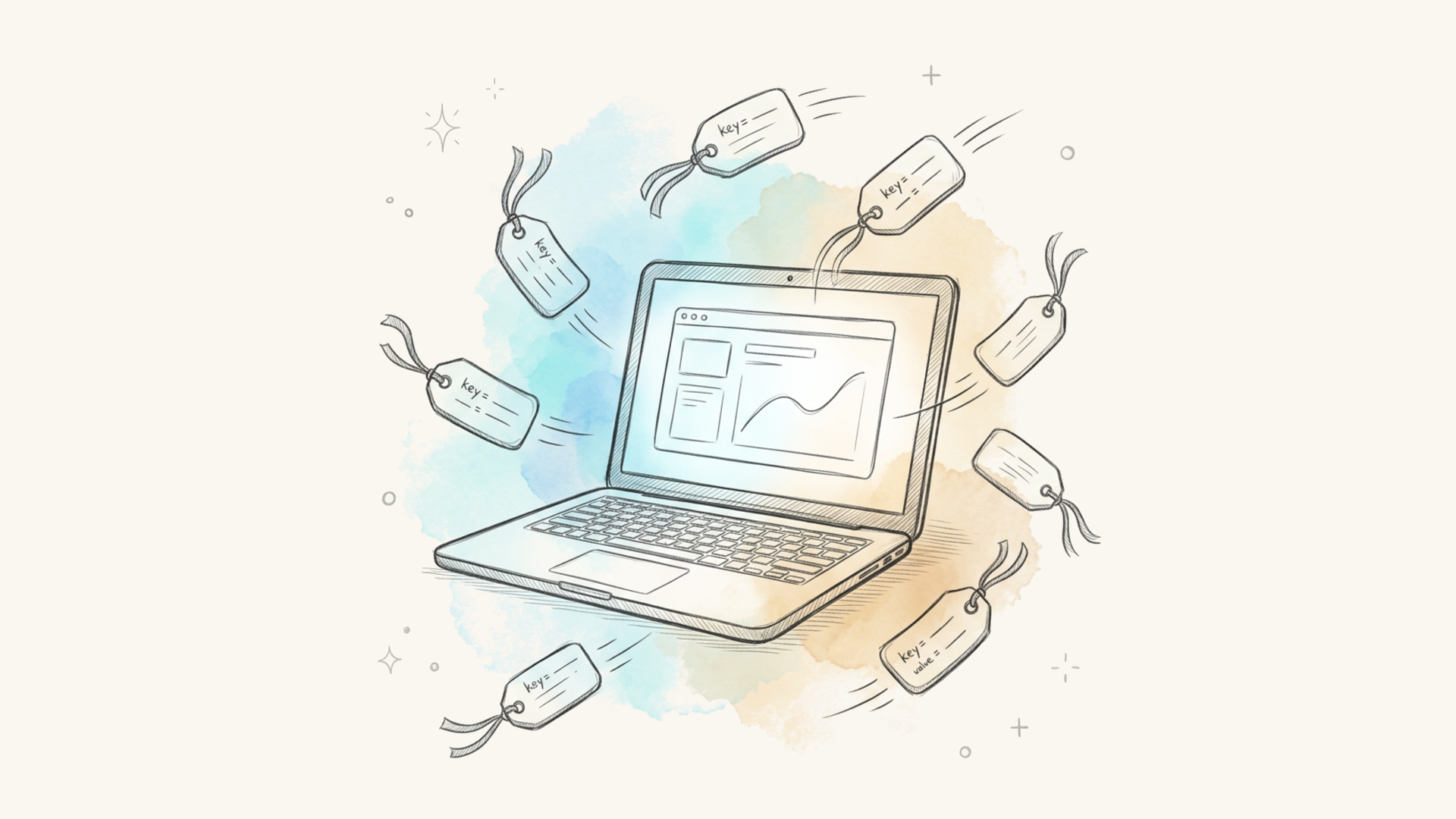
As your number of short links grows into the hundreds or thousands, organization becomes increasingly important. Tags make managing large collections of links much easier. Examples include:
- marketing;
- email;
- newsletter;
- social;
- sale;
- 2026;
- black-friday;
- spring. With proper tagging, you can quickly find links and analyze the performance of individual campaigns.
Don't Delete Old Links
Once a campaign is over, avoid deleting its short links immediately. Historical data can be extremely valuable for:
- comparing campaigns;
- identifying seasonal trends;
- measuring business growth;
- preparing marketing reports. Even months later, click statistics may provide useful business insights.
Automate Link Creation
If your company creates a large number of links every day, manual work quickly becomes inefficient. Most modern URL shortening platforms provide REST APIs and official SDKs that allow links to be generated automatically from CRM systems, CMS platforms, online stores, and internal applications. Automation helps you:
- eliminate manual errors;
- launch campaigns faster;
- generate thousands of links within seconds;
- automatically apply UTM parameters;
- standardize link creation across your organization.
Choose a Platform That Can Grow with Your Business
When selecting a URL shortening platform, don't focus only on basic link shortening. Look for features such as:
- detailed analytics;
- QR code generation;
- REST API;
- official SDKs;
- custom domains;
- UTM parameter support;
- data export;
- link grouping;
- tagging;
- scalability. You may only need one short link today, but tomorrow you might need to manage thousands of them across multiple campaigns.
Conclusion
Short links have evolved into an essential marketing tool. They help create cleaner campaigns, improve user trust, measure marketing performance, and automate repetitive workflows. When choosing a URL shortening platform, consider more than just shortening URLs. Analytics, QR codes, APIs, custom domains, UTM support, and integration capabilities can make a significant difference as your business grows. A well-designed short link strategy not only improves your marketing efforts today but also provides a scalable foundation for future campaigns.